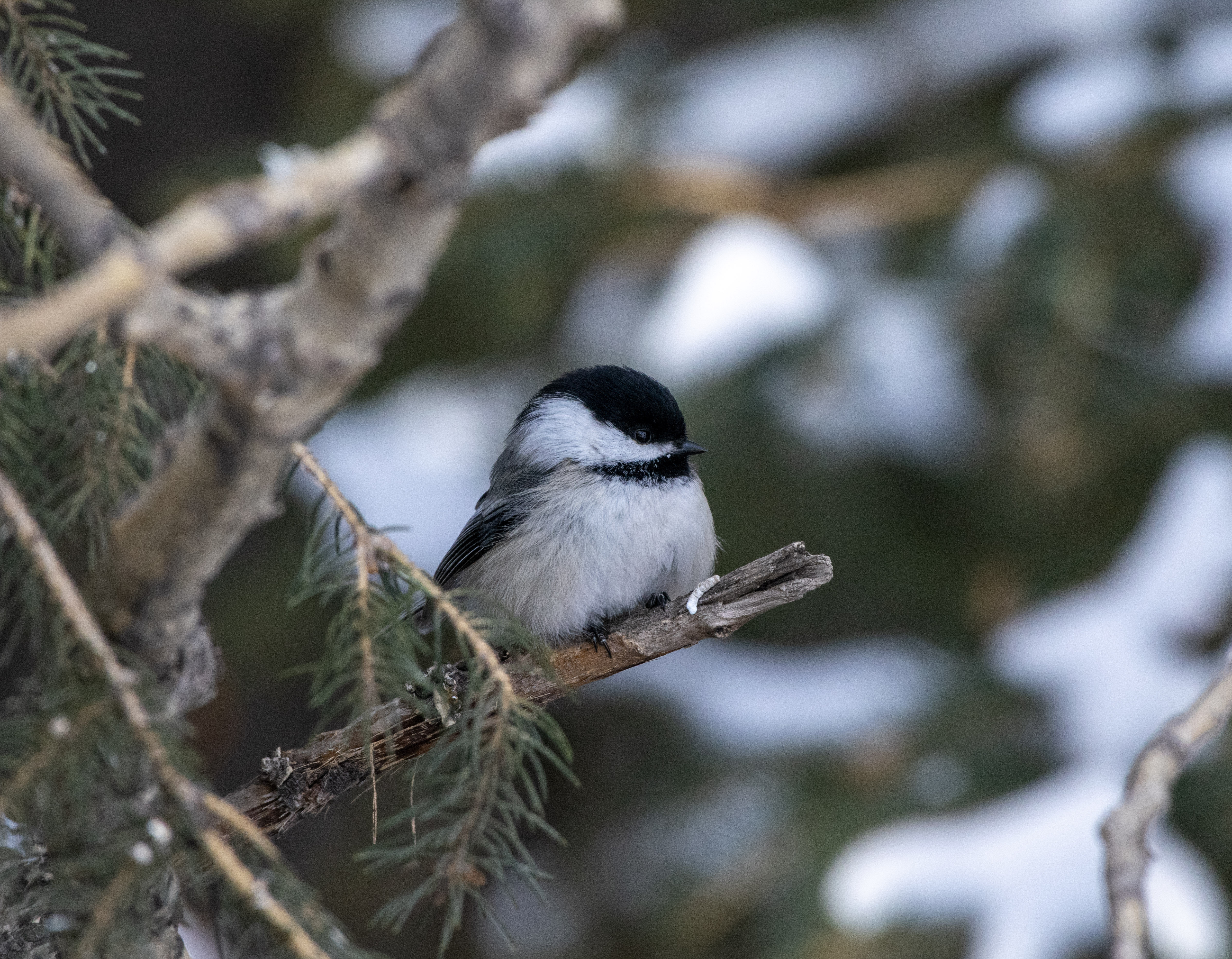
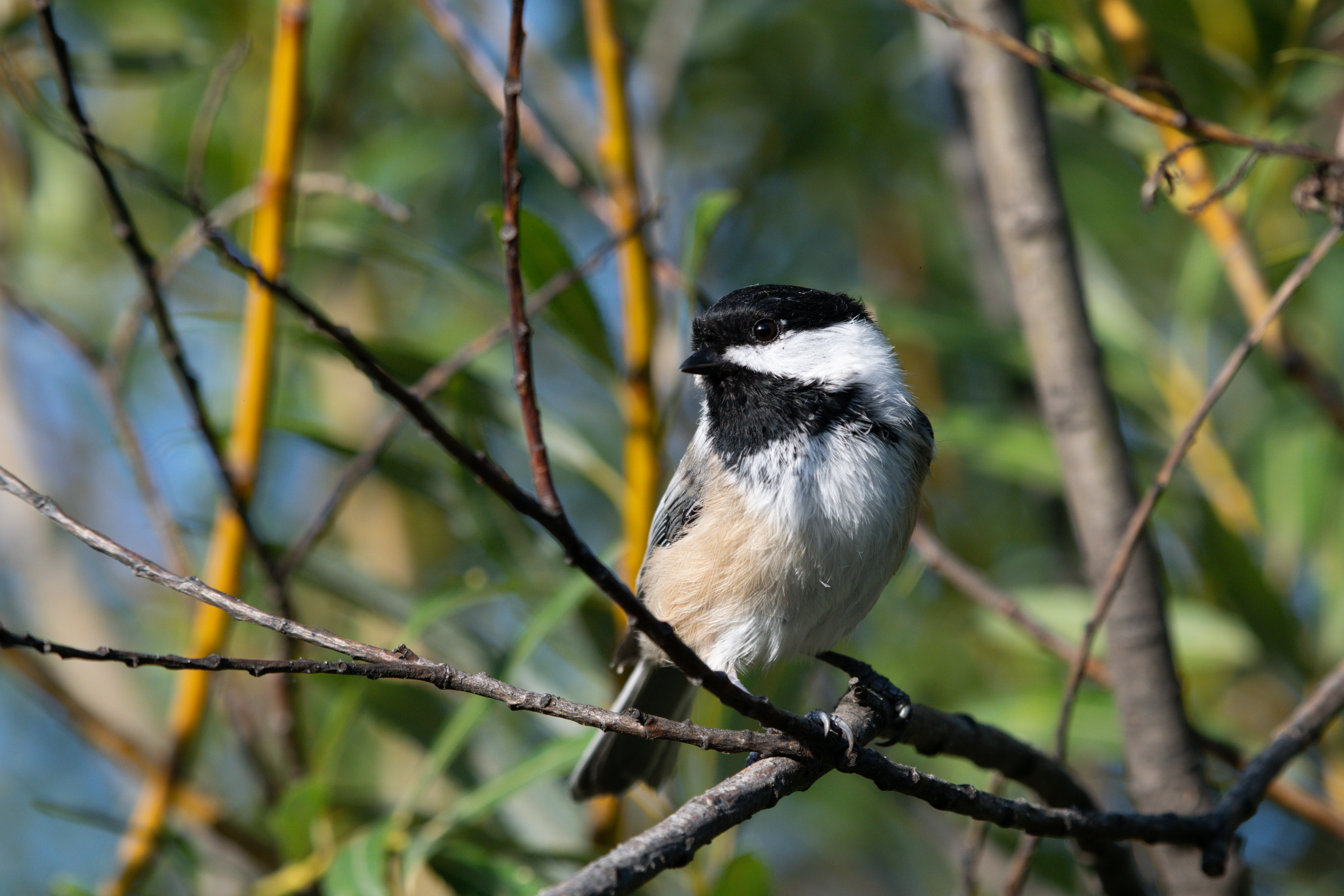
Warblers and other migrating song birds often spend time with chickadees so you can often find them together. Includes: nuthatches, woodpeckers, kinglets, creepers, warblers, and vireos
The birds that associate with them respond to their alarm calls, even when their species doesn’t have a similar alarm calls
Caching - they hide their food to eat at a later time. They are able to remember thousands of places. In fall, neurons containing old information die, allowing new ones to adapt to changes in social flocks and environment
Winter flocks - mated pairs and non-breeders but not offspring
Flocks have dominance hierarchy - some birds are winter floaters that don’t believe to a flock so they have a different rank within each flock they spend time one
Chickadees always sleep in their own individual cavities, they don’t cuddle
Oldest know wild chickadee was 11 years 8 months (male)
43 million
Usually a permanent resident but can stage “invasions” in falls expanding range slightly. 90% of birds don’t move. Long movements are usually in post-fledgling dispersal or irruptions
Almost identical to Carolina chickadees but they are not the same
1 brood per year, young leave nest at about 16 days
Diet: insects, seeds, berries and will eat fat of dead animals
Nesting: pairs form in fall and stay together in winter flock. In late winter, flocks break up and pair will defend their territory. Nest in a hole in a tree, in rotten wood or old woodpecker hole, nesting box too. Males bring females food starting in very early spring. Females build the nest
Dominance Hierarchy
Males dominate females
Males rank based on age
Predators: Hawks (sharp-shinned), Shrikes (northern) and owls (eastern screech and saw whet)